
What is brown rice? How is it different from white rice?
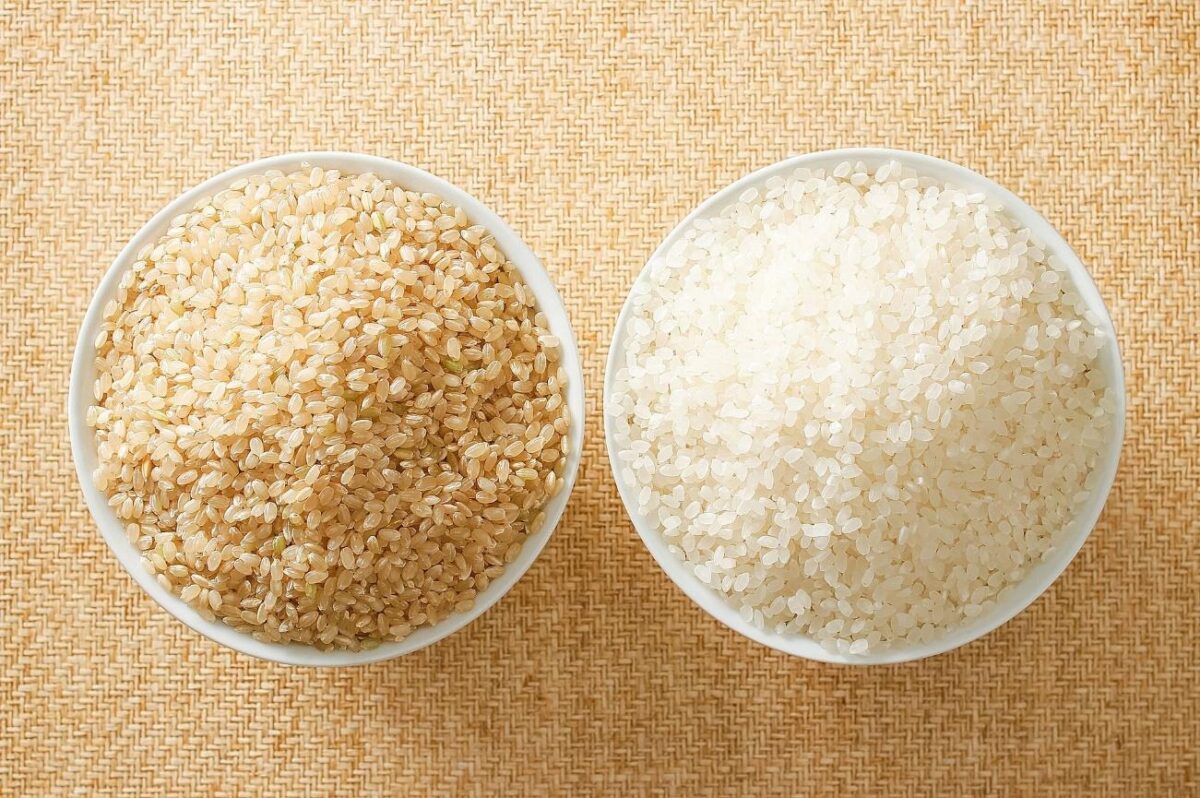
Brown rice is rice that remains closer to its natural state, with only the outer husk removed after harvesting. In contrast, white rice is produced by further removing the bran layer and germ from the brown rice.
Both white and brown rice contain no gluten, but they are polished to different degrees, which results in differences in their nutrient content, flavor, and texture. White rice has a delightfully soft and fluffy texture and a mild flavor that pairs well with Japanese dishes.
Brown rice retains the bran and germ, making it rich in dietary fiber, vitamins, and minerals. It has a unique chewy texture and releases a nutty aroma as you chew. If you have eaten white rice before, you may be hesitant to try brown rice, but many people find the taste addictive.
Appeal of brown rice 1: Well-balanced as a healthy staple food
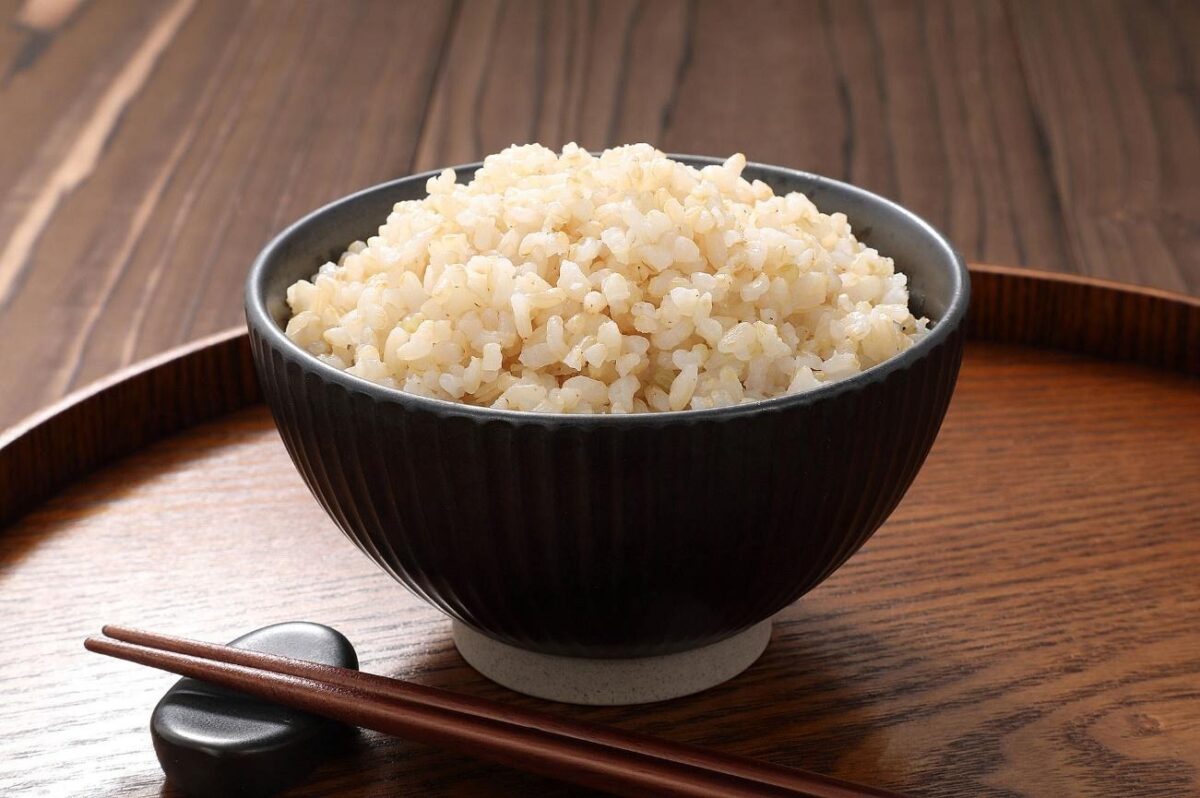
While there are many gluten-free staple foods around the world, a major benefit of brown rice is that it offers all the elements necessary of a staple food without being skewed towards any single nutritional aspect. Let’s look at how it compares with other major gluten-free ingredients in terms of nutritional balance, taste, texture, and satisfaction.
1. Oats
Oats are very rich in soluble dietary fiber (β-glucan) that helps improve your gut environment and cholesterol.
[Differences from brown rice]
Oatmeal has a distinctive stickiness. In contrast, brown rice consists of separate grains and is chewy. While preferences vary, brown rice may be better suited as a side dish for dinner or a more substantial meal.
2. Quinoa
Often called a “perfect nutritional food,” quinoa is rich in protein and minerals, such as iron and magnesium, and provides an excellent balance of essential amino acids.
[Differences from brown rice]
Quinoa may be highly nutritious, but some people dislike its distinctive earthy flavor, which comes from saponins. Brown rice is aromatic and has a mild flavor, so it is more well-suited for delicately seasoned dishes and meals where you want to highlight the flavors of the other dishes.
3. Chickpeas (garbanzo beans)
Chickpeas are rich in protein and folic acid and commonly enjoyed as hummus or chickpea flour pasta. They help prevent rapid spikes in blood sugar.
[Differences from brown rice]
While beans often need to be flavored with spices or dressings, Japanese brown rice has a mild sweetness and savory umami flavor that does not require additional seasoning. It pairs well with any sauce or side dish, making it enjoyable even when eaten daily.
4. Corn
One of the world’s three major grains, corn contains antioxidants (e.g., lutein) and is sweet. It is often eaten as tortillas or polenta.
[Differences from brown rice]
Corn has high energy efficiency as a carbohydrate but its glycemic index (GI) can be high, depending on the variety or processing method. Brown rice is a low GI food that can keep your blood sugar stable after eating.
5. Cassava
This is the raw ingredient in tapioca. It is extremely useful as a main ingredient in gluten-free flour. Like potato, it can be used in recipes without further processing, or processed into foods such as Brazilian cheese balls.
[Differences from brown rice]
Cassava is excellent as a simple energy source (starch) but is low in protein, vitamins, and minerals. In contrast, brown rice contains B vitamins that promote metabolism and a variety of minerals, helping your body burn food efficiently.
While other gluten-free foods may focus on specific nutrients, brown rice provides well-balanced nutrition and is easy to incorporate into everyday meals as a staple.
Appeal of brown rice 2: Nutritional richness and the functions of the nutrients
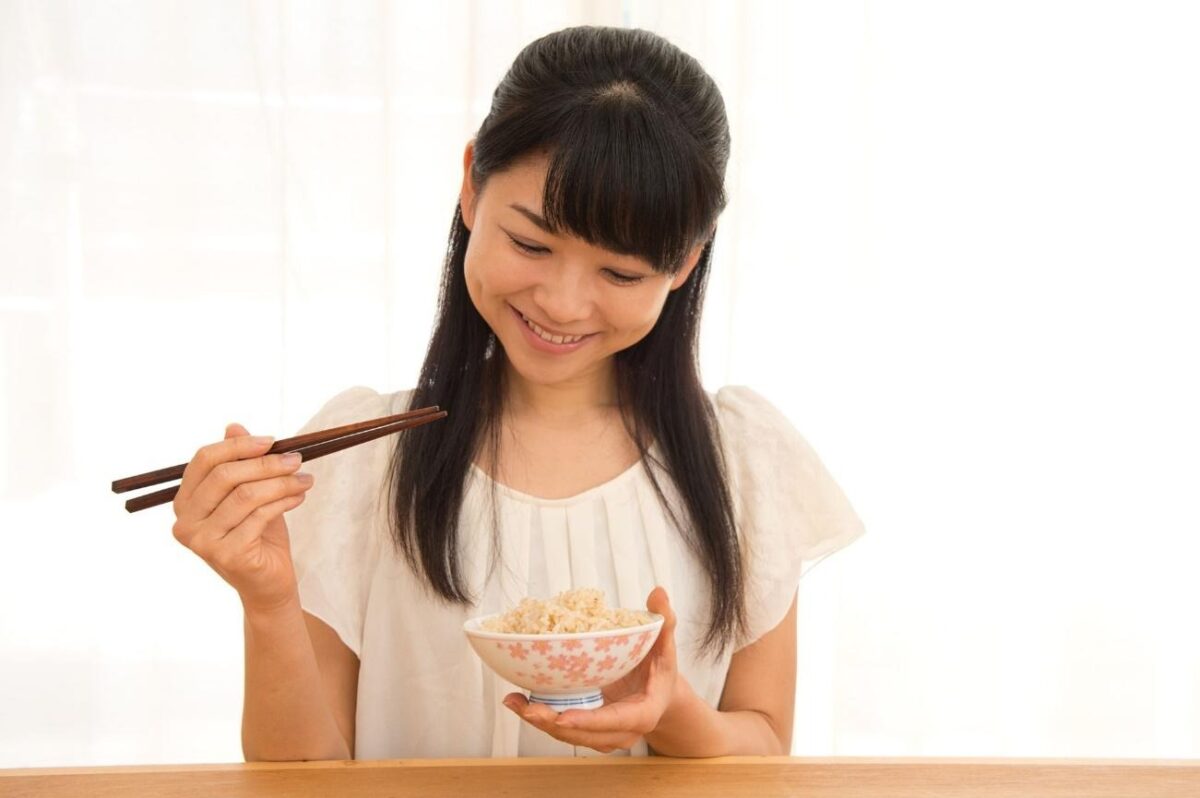
Brown rice is rich in dietary fiber, B vitamins, and minerals. How about trying brown rice if you are experiencing these problems?
– You get hungry quickly and cannot stop snacking.
– You tire easily or cannot concentrate.
– You are busy and all your meals are the same.
– You tend to feel tired or sleepy after eating.
– You want to control your appetite for health reasons.
Let’s take a look at nutrients and their functions to understand why brown rice can help address these issues.
Dietary fiber | Helps you feel full longer
Brown rice contains about six times the amount of dietary fiber as white rice and is digested and absorbed slowly. This makes it harder for your blood sugar to spike after eating and helps you feel full longer.
Foods that cause a gradual rise in blood sugar are called low glycemic index (GI) foods, and brown rice is one of them. When blood sugar changes more gradually, your energy levels remain more stable and you tend to feel less sleepy or tired after eating. This is one reason to choose brown rice in addition to white rice as a staple food.
Vitamin B1 | Better recovery from fatigue and better concentration
Vitamin B1 is a nutrient that helps to convert carbohydrates into energy. The efficient use of energy helps daily activities and concentration. Brown rice is a staple food that is particularly rich in Vitamin B1, making it a great choice if you want to be active every day.
Minerals (e.g., magnesium, iron, zinc) | Supports physical health
Brown rice contains essential minerals, such as magnesium, iron, and zinc. Magnesium is essential for bone development, energy metabolism, and nerve function, and iron is a key component of red blood cells, which transport oxygen.
Zinc is essential for many daily functions, including protein synthesis, immune function, and maintaining your sense of taste. Brown rice offers the unique benefit of supplying these minerals as a staple food.
Physiological benefits of chewing | Natural appetite control
Brown rice must be chewed well because it still has the outer husk. Chewing well stimulates the satiety center in your brain, leading to better appetite control.
Chewing slowly also allows digestion and absorption to occur more gradually, resulting in a gentler rise in blood sugar after eating. Good saliva secretion is another factor that helps digestion. Simply adding brown rice to your diet as a staple food can bring all these great benefits to your daily life.
Tips for making brown rice delicious
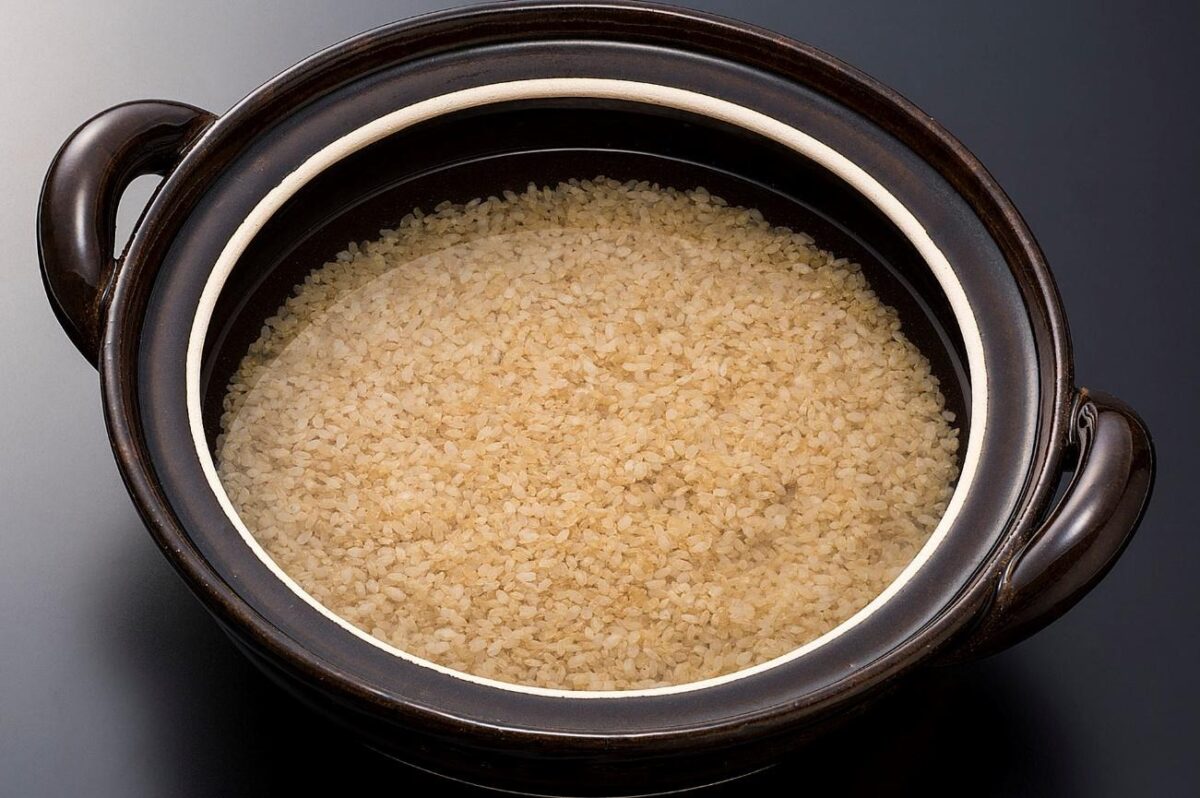
It is good to learn how to cook delicious brown rice.
Key points for cooking brown rice
Brown rice has a tougher outer layer than white rice, so it does not absorb water as easily. To make it even tastier, it is important to remember some cooking tips. Here are the basics.
- Washing
When washing brown rice, change the water once or twice to remove debris and dust from the surface.
The trick is to rub the grains against each other in your palms when you wash them. This creates small scratches on the surface, which help water penetrate the tough outer layer of the rice, making it fluffy all the way through when it is cooked.
- Soaking time
Brown rice does not absorb water well, so soak it in water for a long time before cooking.
If you let it slowly soak for 6 to 12 hours, the water can reach the center of the grain so that it is less tough when cooked.
During summer or in humid areas, you can soak it in the refrigerator to avoid spoilage.
- Water ratio and salt
It is important to follow the water ratio directions closely to cook fluffy and delicious brown rice. Adjust the water ratio as shown in this chart based on the weight of the brown rice.
| Cooking implement | Ratio (brown rice : water) |
| Heavy pot | 1 : 1.5 to 1.7 |
| Pressure cooker | 1 : 1.2 to 1.5 |
| Rice cooker | 1 : 1.5 |
Adding salt before cooking the brown rice also makes it sweeter and softer. Add 1/2 teaspoon of salt for two cups of brown rice, and 2/3 teaspoon for three cups.
- Cooking method
[Heavy pot]
When cooking brown rice in a pot, it is best to use a heavy pot with a lid (e.g., STAUB or Le Creuset Dutch oven). These pots are good conductors of heat and are less likely to heat unevenly, ensuring that the rice comes out fluffy.
- Cover with the lid and cook over low to medium heat until it boils (about 10 to 15 minutes).
- Once it starts boiling, reduce the heat to low and let it cook slowly for 25 to 30 minutes.
- Open the lid and check if there is any moisture left on the surface of the pot. Heat it for about 30 seconds on high and then turn off the heat and let it steam.
- Once it has steamed for 10 minutes, stir it thoroughly.
[Pressure cooker]
- Cook on high until the pressure builds, then reduce the heat to low and continue cooking for 20 minutes.
- Remove from heat and let it steam for about 10 minutes.
- Once the pressure has released, open the lid and stir it thoroughly.
[Rice cooker]
If you have soaked the rice for at least six hours, cook it on regular mode. Stir it thoroughly as soon as it is done cooking.
*If your rice cooker has a brown rice mode, follow the instruction manual to cook the rice.
[Extra edition]
If you want to enjoy brown rice more easily, you can try using pre-cooked rice packs. Simply microwave it to enjoy delicious brown rice. They can be stored at room temperature, so they are useful to stock up on.
Three easy recipes using brown rice
Next, we will introduce three easy recipes using brown rice.
Brown rice onigiri
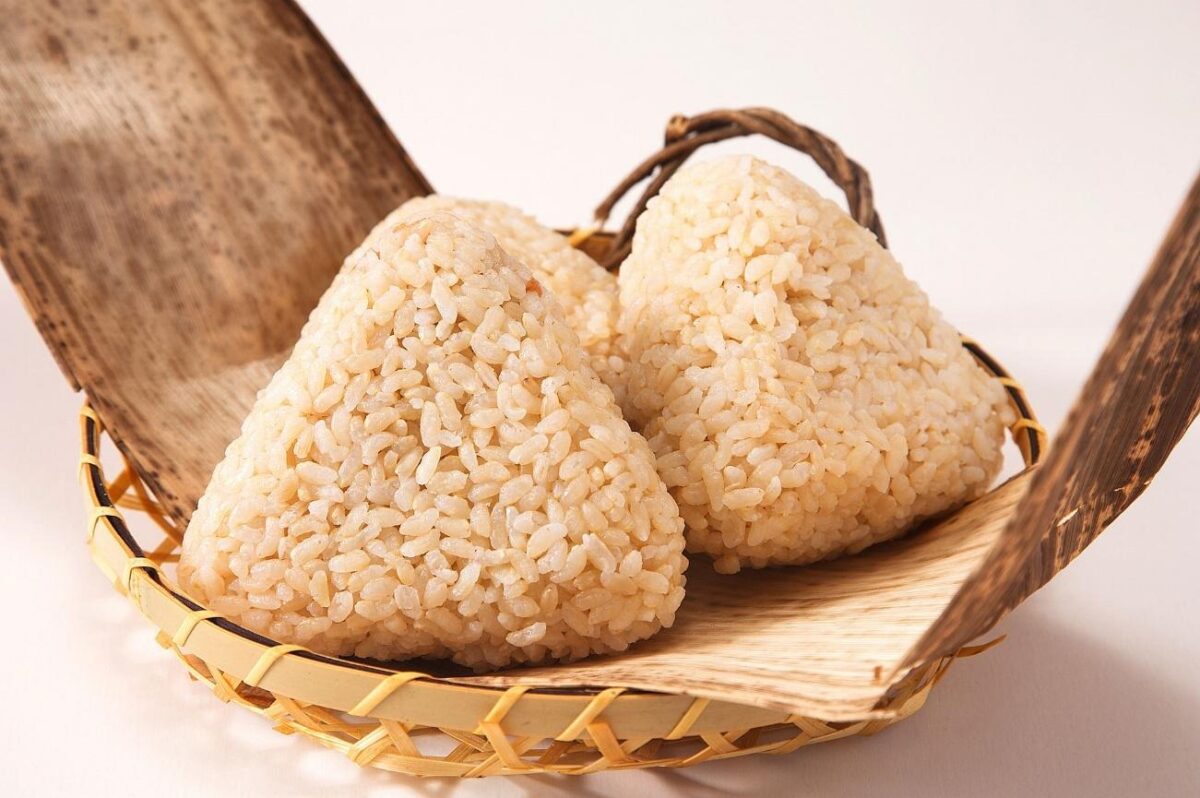
Onigiri rice balls, Japan’s soul food, are the perfect healthy lunch to take on the go.
How to make
- Sprinkle salt onto plastic wrap (about three pinches or 0.5 g) and place 100 g of cooked brown rice on top. When adding a filling, put half of the brown rice on the plastic wrap, add the filling on top, and then top that with the rest of the brown rice.
- Wrap the brown rice with the plastic wrap and gently squeeze it into a triangle shape.
Brown rice risotto
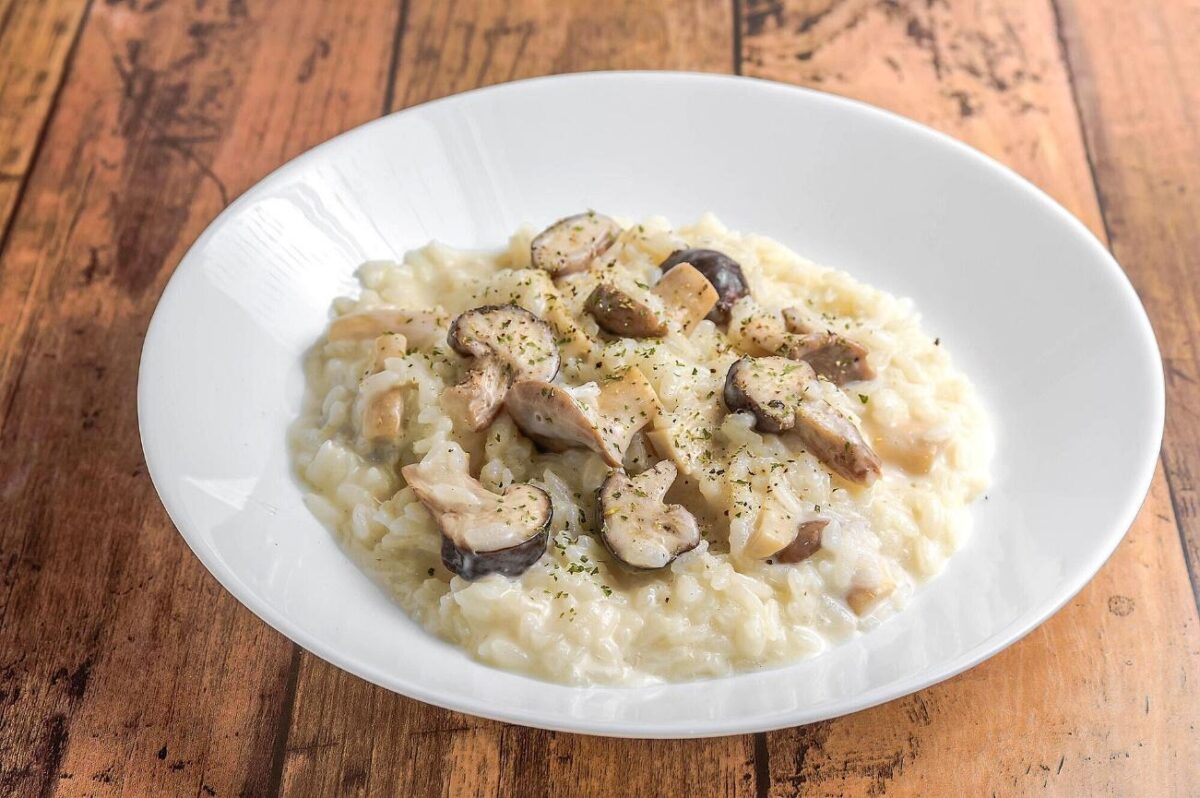
Brown rice is not as sticky as white rice, so it is perfect for risotto.
How to make
- Heat olive oil in a frying pan and cook spiced mushrooms and finely chopped onion until soft.
- Add brown rice (150 g) and milk (200 ml) and simmer over medium heat. Add salt (to taste) and powdered cheese (2 Tbsp) to flavor.
- When most of the liquid has been reduced, remove from heat and serve. Top with powdered cheese, black pepper, and parsley if you like.
Brown rice salad bowl
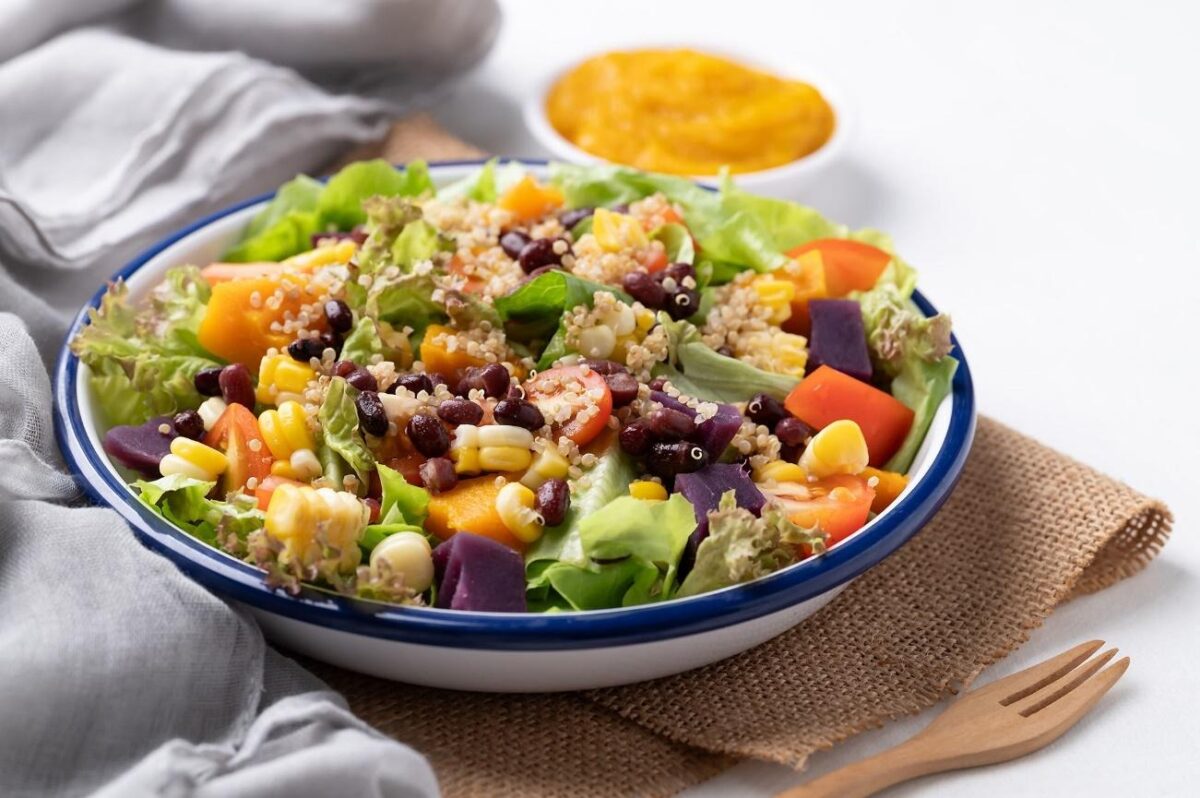
Brown rice has a crunchy texture, so it is also good in salad bowls.
How to make
- In a bowl, combine cooked brown rice (50 g), your choice of vegetables (tomato, red onion, cucumber, and lettuce work well), and tuna.
- Add olive oil (2 Tbsp), salt and pepper (to taste), and lemon juice (1 Tbsp) to flavor.
Starting healthy living with brown rice
Brown rice has long been a staple of Japanese food culture. Similar to white rice, it contains no gluten. Its low degree of polishing makes it rich in nutrients and it also has a distinctive aroma and chewy texture.
Brown rice needs to be soaked for a long time and takes more effort to cook than white rice. However, if you know how to prepare and cook it according to its characteristics, you can bring out its natural flavor.
If you are interested in brown rice, you can try it gradually—for example, by replacing your regular staple with brown rice for one or several meals each week.